

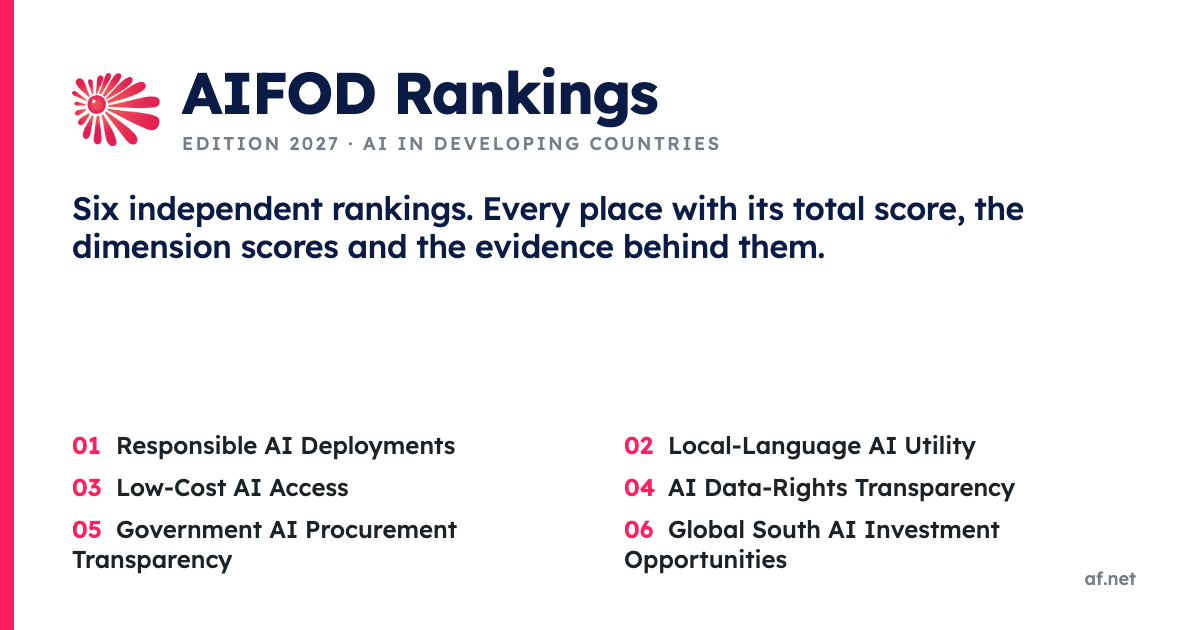
Vienna, Wien Nov 25, 2026 (Issuewire.com) The AI for Developing Countries Forum (AIFOD) has published the Global South AI Investment Opportunities Ranking, which identifies agriculture AI companies that already serve real customers but still lack the capital and partners to scale. India’s DeHaat placed first with a score of 86.0 out of 100, followed by Ghana’s Complete Farmer (84.7) and Farmerline (84.6).
Small family farms produce about a third of the world’s food, according to the UN Food and Agriculture Organization (FAO). The ranking assessed 55 companies across Africa, South Asia, South-East Asia and Latin America, using public evidence available on 8 October 2026. Five of the top ten are based in Africa, three in India and two in Brazil.
The top ten:
- DeHaat (Green Agrevolution Pvt. Ltd., India), 86.0. Combines a farmer advisory app with physical village centres that supply crop guidance, inputs and market access. Independent and donor studies document 1.8 million registered farmers and more than 11,000 village centres across 12 Indian states. Highest-scoring dimension: real use and retention (88).
- Complete Farmer (Ghana), 84.7. Connects farmers, commodity buyers and input suppliers across Ghana and Togo. Disclosures by IFC, Proparco and EU AgriFI document its financing and more than 60,000 registered farmers. Highest-scoring dimension: clarity of funding gap and use of funds (90).
- Farmerline (Ghana), 84.6. Delivers voice advisory in local languages, farmer profiling and input distribution in Ghana and Côte d’Ivoire. In 2022 it raised US$14.4 million in equity and debt from investors including Acumen, FMO, DEG, Oikocredit and Rabobank. Highest-scoring dimension: clarity of funding gap and use of funds (90).
- ACRE Africa (Kenya), 83.8. Offers weather-index, area-yield and picture-based crop insurance for smallholders. An IFPRI randomised trial across seven Kenyan counties found picture-based cover raised take-up, especially among women, and insured farmers used more fertiliser. Highest-scoring dimension: real use and retention (88).
- Solinftec (Brazil), 82.8. Provides machinery telemetry, farm software and field robots, used to manage more than 27 million acres across Brazil, the US and Latin America (company figure). Highest-scoring dimension: clarity of funding gap and use of funds (90).
- Apollo Agriculture (Kenya), 82.6. Finances seed, fertiliser and insurance for smallholders in Kenya and Zambia, scoring credit with satellite imagery and machine learning. In May 2026 it reached first close of Kenya’s first private-sector agricultural securitisation, raising KES 276 million against input loans to 23,839 farmers, rated BBB- by Agusto & Co. Highest-scoring dimension: clarity of funding gap and use of funds (90).
- Cromai (Brazil), 82.2. Uses computer vision to detect weeds, planting gaps and harvest impurities, producing spot-spraying maps for sugarcane and soy producers. Highest-scoring dimension: clarity of funding gap and use of funds (88).
- Stellapps (India), 81.7. Supplies IoT and cloud systems for village milk collection, cold chains and cattle health; Mathematica and IFPRI carried out a 202023 evaluation of its work with dairy farmers in Uttar Pradesh. Highest-scoring dimension: real use and retention (88).
- Ninjacart (India), 80.8. Runs a business-to-business fresh-produce supply chain with demand forecasting; in a 2023 survey run with 60 Decibels for Ninjacart’s impact report, 79% of farmers said their income had increased. Highest-scoring dimension: clarity of funding gap and use of funds (88).
- Hello Tractor (Kenya), 80.7. Connects tractor owners and smallholders through booking software and pay-as-you-go financing; programme reports cite more than 5,000 tractors and over 3 million acres cultivated. Highest-scoring dimension: real use and retention (88).
What the ranking shows. Across all 50 ranked companies, the weakest area was verifiable social or economic outcomes, with an average score of 54 out of 100; eight companies had no public evidence on it at all. The strongest was clarity of the funding gap, at 79. Most companies can say what capital they need and why, but fewer can show independent proof of what their service changes for farmers, and that proof is what separated the top ten from the rest.
Companies were scored on six dimensions: real use and retention (25%), verifiable social or economic outcomes (20%), capacity to expand across regions (20%), local employment and capacity building (15%), clarity of the funding gap (10%) and governance (10%). The ranking assesses development evidence and does not predict financial returns.
“Every company on this list has already shown that farmers use its service,” said Tianze Zhang, Founder of AIFOD. “What most of them lack is not ideas but patient capital and a partner in the next country. We want investors to start from evidence.”
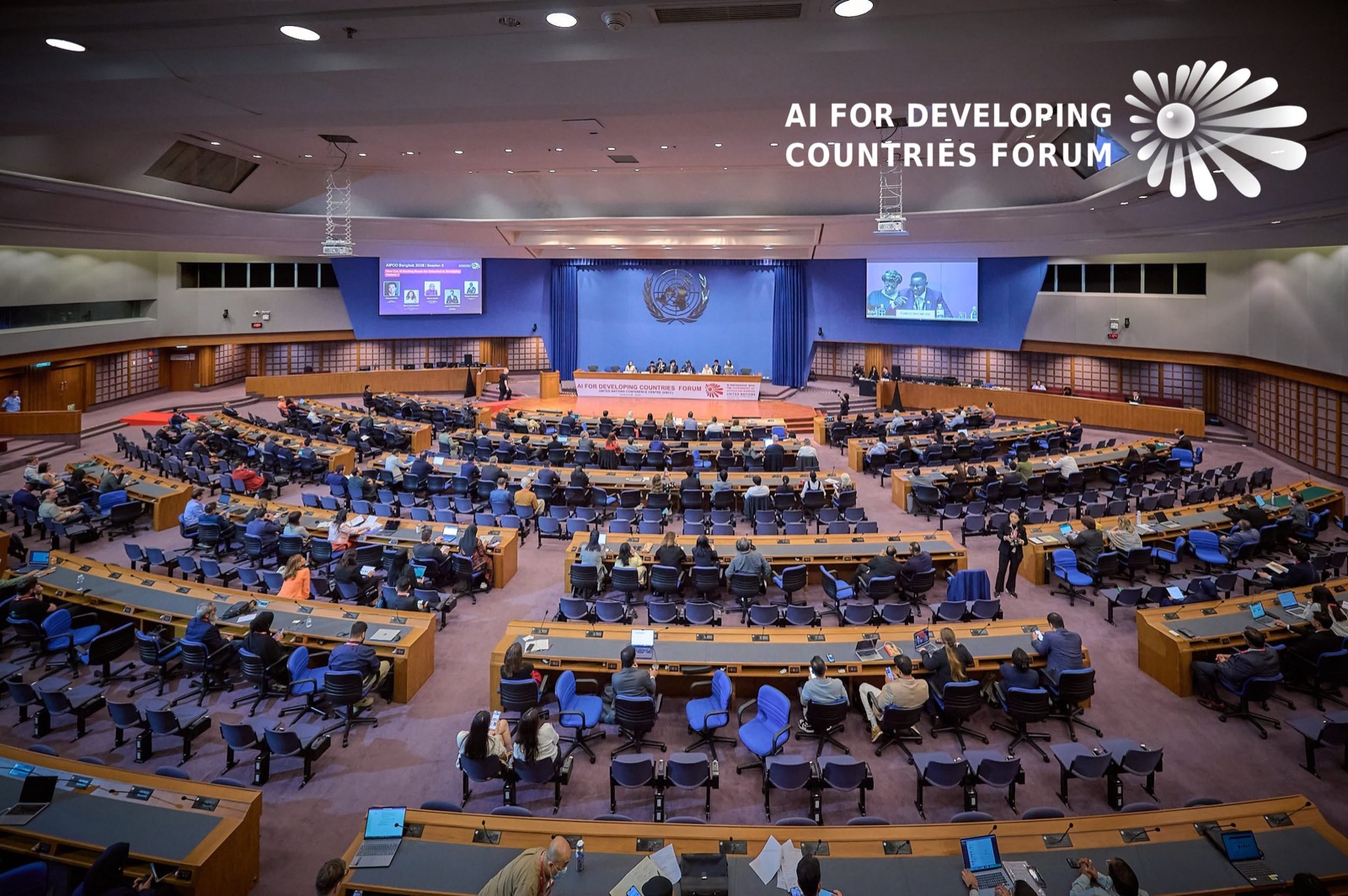
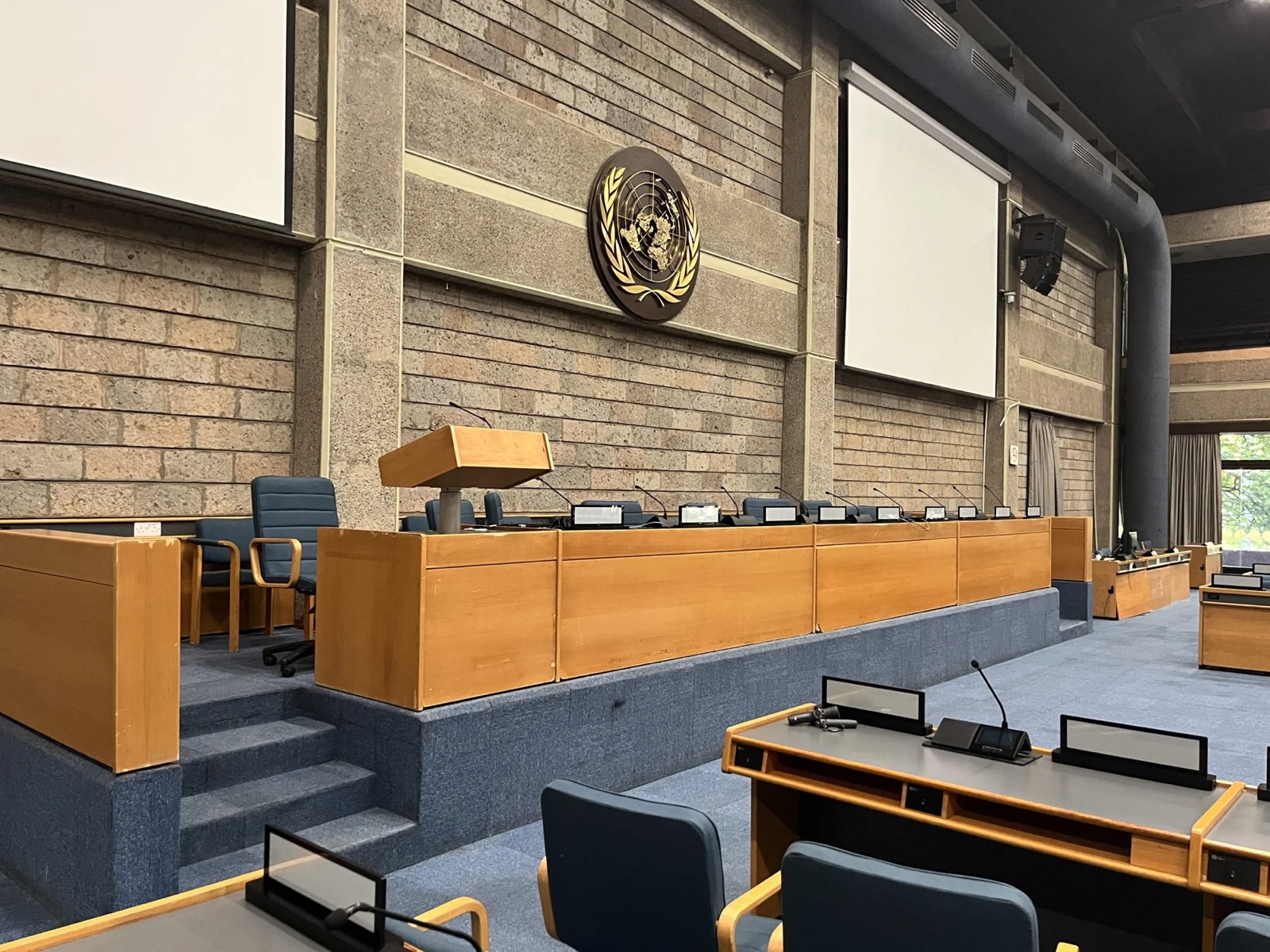
The ranking reflects the values AIFOD works by: an independent voice for the Global South, bridges between governments and industry, collaboration rather than confrontation, and ideas judged on merit rather than status. AIFOD’s work is aligned with the UN Sustainable Development Goals, and this ranking speaks to Goal 2, Zero Hunger, and Goal 8, Decent Work and Economic Growth. Investors and companies looking for partners can request meetings through the matchmaking programme of the AIFOD Nairobi Summit, held 1719 February 2027 at the United Nations Office at Nairobi; applications are open at af.net/nairobi.
For the small companies on lists like this one, AIFOD also runs FAIR, a certification designed to help small AI companies in developing markets grow. It gives investors and buyers a public, verifiable rating instead of a claim no one can check, assessed on four equal pillars: respectful entry into local markets, shared development with local partners, data stewardship and sustainable impact. Applying is free and takes a few minutes; certified systems are listed in the public FAIR Registry at fair.af.net, with a decision targeted within four to six weeks. FAIR status appears in ranking profiles as a fact but never adds points.
About the ranking. Scores are based on public evidence and were checked by independent reviewers. Companies may submit corrections to info@af.net at any time. AIFOD funds the research itself; no company pays for inclusion or previews results. Full scores, evidence and sources are published at af.net/rankings under a CC BY 4.0 licence.
About AIFOD. The AI for Developing Countries Forum (AIFOD), registered in Switzerland and Austria, promotes the ethical and inclusive use of AI across the Global South through certification, capacity sharing, technology transfer and international cooperation. It has more than 7,300 members in over 150 countries. Its next summit takes place 1719 February 2027 at the United Nations Office at Nairobi.
Source :AI for Developing Countries Forum (AIFOD)
This article was originally published by IssueWire. Read the original article here.